
Root canal treatment
Removes infected or inflamed pulp, cleans the canals, and seals the tooth so you can keep it.
Learn moreRoot canal specialists in Salt Lake City
Dr. Roger K. Warren and our team focus on one thing: saving teeth with minimally invasive root canal treatment and microsurgery. Every case is done under a surgical microscope, and treatment can often be finished in a single visit.

Smaller access, less tooth removed, and faster healing with microscope-guided treatment.
We send a full report of your treatment to your general dentist after every visit.
A short healing check is part of your treatment, with no extra fee.
Treatments
Our practice is limited to endodontics, the care of the tooth’s inner pulp and roots. If your dentist referred you, or you think you need a root canal, we can help.
Removes infected or inflamed pulp, cleans the canals, and seals the tooth so you can keep it.
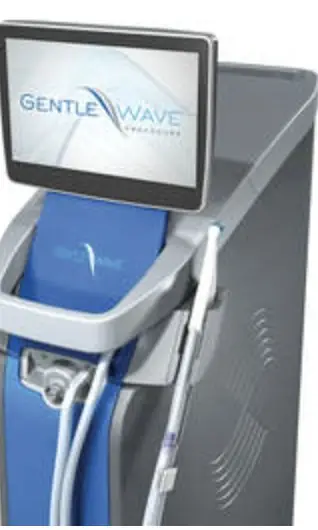
Learn moreUses fluid and sound waves to clean deep inside the tooth while preserving more natural structure. Often done in one visit.
Learn moreA second chance for a tooth that had a root canal before but has not healed or has new problems.
Learn moreAn apicoectomy treats the tip of the root through a small opening in the gum when a root canal alone is not enough.
Learn morePain when chewing or with hot and cold can mean a crack. Early diagnosis gives the best chance of saving the tooth.
Learn moreA knocked-out, loose or broken tooth needs fast care. Call us right away after an injury.
Learn moreWhat is a root canal?
Inside every tooth, under the white enamel and the hard dentin, is soft tissue called the pulp. It holds the nerve and blood vessels and runs down the roots through narrow root canals.
When the pulp becomes inflamed or infected, root canal treatment removes it, cleans the canals and seals them. Your tooth stays in place and keeps working, because the bone and gums around it keep it healthy.
Some teeth have no symptoms at all. Your dentist may find the problem on an x-ray.
How treatment works
Deep decay, a crack or an injury lets bacteria reach the pulp. It swells, hurts, and can cause an infection at the root tip.
With your tooth numb, Dr. Warren makes a small opening and uses the microscope and fine instruments to remove the pulp and disinfect every canal.
The clean canals are filled with a rubber-like material called gutta-percha, and a temporary filling closes the top.
Your dentist places a crown or permanent filling. The bone around the root heals over the following months.
What to expect
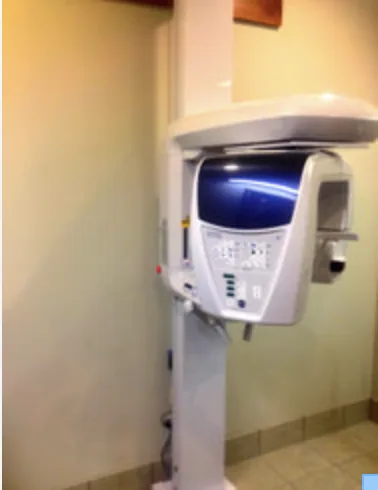
We review your symptoms and, when needed, take a low-dose 3D scan to see the whole root.
Dr. Warren explains your options, the fee estimate and your comfort choices, including sedation.
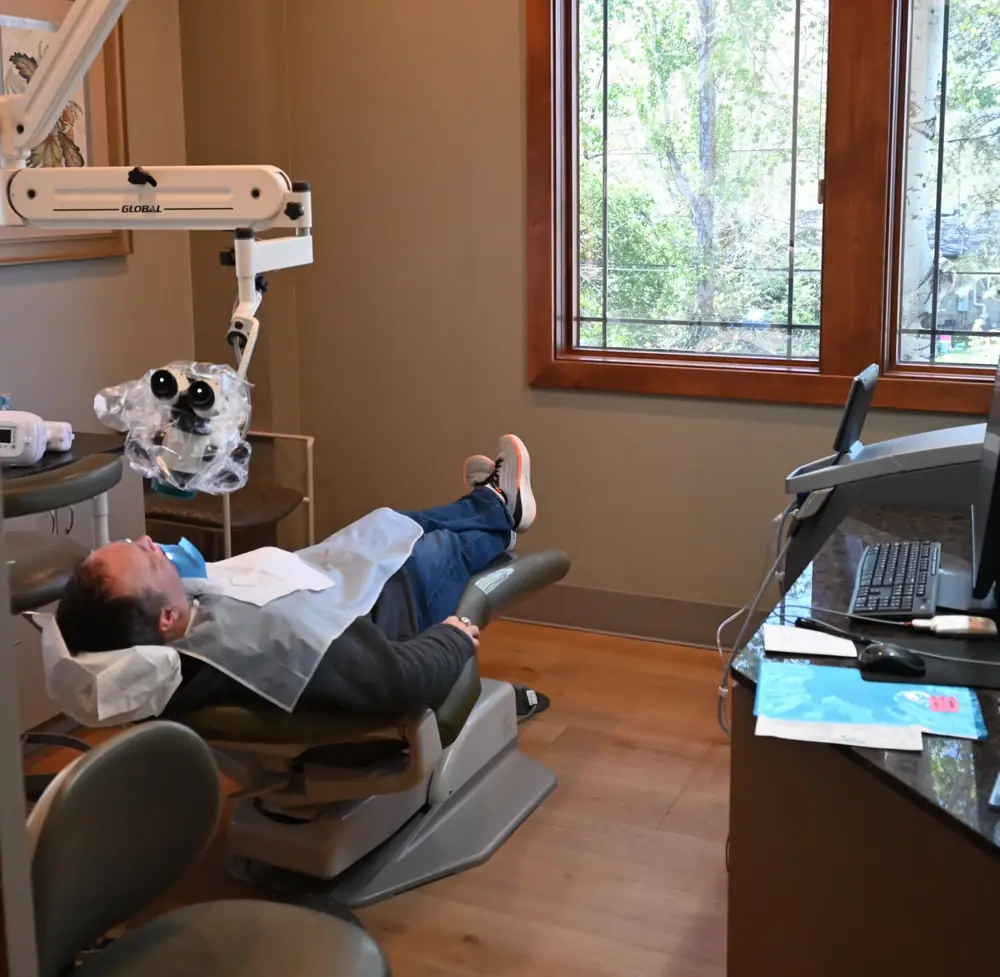
Every treatment is done under a surgical microscope, with local anesthetic and sedation if you choose it.
Your dentist places the final crown or filling. We check your healing at a free follow-up visit.
Why see an endodontist?
Figures from the American Association of Endodontists.
Technology
We were the first endodontic practice in Utah to use cone beam 3D imaging, and Dr. Warren lectures on it nationally and internationally.
Inside our office
Patient reviews
I have known Dr. Warren for some years and have referred several of my patients to him. Over the past few weeks I realized I had developed an abscess in one of my teeth and as such asked Dr. Warren to perform my root canal. …
Dr Warren is the best, his staff is wonderful. Integrity matters to me and Dr Warren has it in spades!
Average rating from 7 Google reviews of Dr. Roger K. Warren, D.D.S.
Patient instructions
The short version of the printed instructions we give you. Call us any time you are unsure.
| Medicine | How much | How often |
|---|---|---|
| Ibuprofen (Advil) 200 mg | 1 to 4 tablets | Every 6 hours |
| Naproxen (Aleve) 220 mg | 1 to 2 tablets | Every 12 hours |
| Acetaminophen (Tylenol) 500 mg | 1 to 2 tablets | Every 6 hours |
Take one of these over-the-counter pain relievers as needed.
Call 801-278-3636 if pain is not controlled by these medicines or if swelling develops.
Slight swelling, bruising and a little bleeding are normal. Avoid aspirin. Brush other teeth gently and do not brush or floss the surgery area until your stitches are removed.
Call 801-278-3636 for heavy bleeding, increasing swelling or fever.
For a chipped, cracked or loosened tooth, rinse with warm water, use a cold compress for swelling, and call us.
Questions
Don’t see yours? Call 801-278-3636.
Most patients are surprised by how comfortable it is. With local anesthetic, treatment feels much like getting a filling. The tooth may be tender for a few days afterward, and over-the-counter pain relievers usually control it.
Many treatments are finished in one visit, especially with the GentleWave Procedure. Some teeth need a second visit. Dr. Warren will tell you what to expect at your exam.
Nothing works quite like your natural tooth. Saving it lets you chew normally and avoids the extra time, procedures and cost of replacing it with an implant or bridge.
Usually, yes. A treated tooth can be brittle, so your general dentist will place a crown or permanent filling to protect it. Please schedule that visit right away.
With local anesthetic only, most people go back to work or school the same day. If you have IV or oral sedation, you cannot drive for the rest of the day and an adult must take you home.
Our digital x-rays use about one-tenth the radiation of film. A 3D cone beam scan uses about as much as three regular dental x-rays.
Tell us. We offer oral sedation, IV sedation and nitrous oxide, and we will talk through your choices before treatment.
Fees are due when treatment is complete. We will help file your insurance, and you save 3.5% when you pay in full with cash or check. Monthly financing is available through CareCredit. Your written estimate is good for 6 months. Payment options.
Pain from jaw muscles, sinuses, nerves or headaches can feel just like a toothache. Dr. Warren teaches this topic at the University of Utah, and finding the real source comes before any treatment. Learn more.
Endodontists complete at least two more years of training after dental school and do only this kind of care. That experience matters most for curved, calcified or previously treated teeth.
Meet the doctor
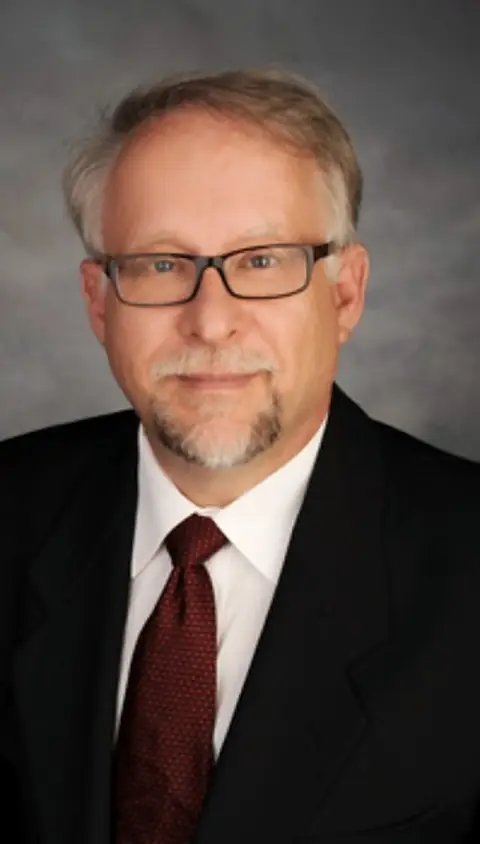
Dr. Warren has practiced as an endodontic specialist in Salt Lake City since 1988. He is known for minimally invasive techniques, and his cases are used to teach endodontists around the world. He also teaches dental students at the University of Utah how to tell tooth pain from pain that only feels like it.
Read Dr. Warren’s biography · See his cases
For patients
Save time at your first visit by filling out your forms at home.
For referring dentists
Calcified canals, MB2s, retreatments and surgery. We send a full report after every visit and return your patient to you for the final restoration.

Scan to see Dr. Warren’s minimally invasive case gallery, or call 801-278-3636 to refer a patient.